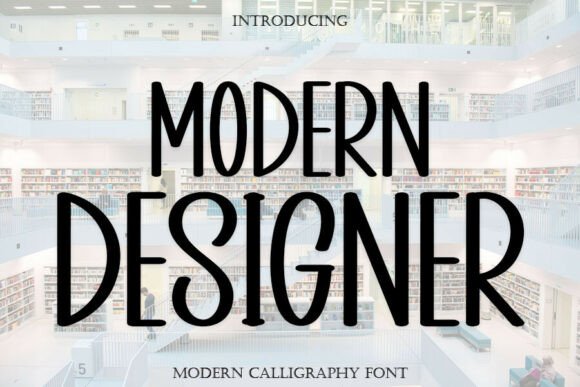
Modern Designer: A Tall Handwritten Display Font for Sophisticated Branding
I opened a blank Figma file at 10 AM, staring at the white canvas that always feels both promising and intimidating. The brief was simple but demanding: create a visual identity for a new artisanal skincare line that needed to feel grounded yet luxurious. I didn’t want the typical cursive script that screams "craft fair," nor did I want a rigid geometric sans-serif that felt too cold. I needed something in between—something with height, elegance, and a distinct personality. That’s when I pulled up Modern Designer, a clean, tall handwritten font with a touch of sophistication. From the moment I typed out the brand name, the entire mood of the project shifted. The straight lines and elongated letterforms created a balanced look that immediately communicated premium quality without sacrificing approachability.
Why Modern Designer Works Best as a Display Font for Premium Brands
When evaluating Modern Designer, it is crucial to understand its primary role within a typographic system. This typeface is not designed for long-form body text; rather, it shines brilliantly as a display font intended for headlines, logos, and short impactful statements. Its vertical emphasis draws the eye upward, creating a sense of stature and confidence. In my experience working with Display fonts, finding one that maintains legibility while offering artistic flair can be challenging. However, Modern Designer strikes an excellent balance. The slightly irregular, hand-drawn edges provide warmth, while the structured upright posture ensures it remains professional. For a boutique or a high-end creative studio, using this font as the hero typeface establishes an immediate tone of refined taste. It tells the audience that the brand values craftsmanship and attention to detail before they even read the supporting copy.
Integrating Modern Designer into Logo Design and Visual Identity Systems
The true test of any Fonts selection happens during logo design, where every pixel counts. I placed Modern Designer on several mockups for the skincare brand, experimenting with different weights and spacing. Because the letters are naturally tall, the wordmark itself becomes a strong graphic element. I found that by adjusting the tracking (letter-spacing) slightly wider than usual, the font exuded an airy, minimalist vibe that paired perfectly with ample negative space. When used as the central anchor of a brand identity, Modern Designer provides a unique signature that stands out against competitors who rely on standard serif or sans-serif options. It allows designers to build a cohesive visual language where the typography itself carries significant weight, reducing the need for excessive graphical embellishments. The result is a logo that feels custom-made, expensive, and distinctly memorable.
Using Modern Designer for Packaging Design and Product Labels
Packaging design requires typography that can compete on a crowded shelf. Whether it’s a small jar of cream or a slender bottle of serum, the label needs to grab attention instantly. Modern Designer excels in this environment because its elongated forms allow for efficient use of vertical space. I tested the font on various label mockups, from square stickers to rectangular boxes. The clean, tall structure made the product name pop without requiring massive point sizes. Furthermore, the sophisticated aesthetic aligns well with consumer expectations for beauty and wellness products. When combined with high-quality materials like matte paper or embossed foil, the handwritten nuances of Modern Designer add a tactile dimension to the visual experience. It bridges the gap between digital screens and physical touchpoints, ensuring that the brand’s premium positioning is consistent across all customer interactions.
Pairing Modern Designer with Serif and Sans Serif Typefaces
No single font can do everything, which is why strategic font pairing is essential for a complete brand system. While Modern Designer serves as the perfect headline font, it needs a reliable partner for body copy and secondary information. I experimented with pairing it with a classic serif font for editorial-style descriptions, which created a harmonious contrast between the modern handwritten style and traditional elegance. Alternatively, pairing it with a neutral sans serif font offered a cleaner, more contemporary look suitable for tech-forward brands or minimalist boutiques. The key is to let Modern Designer remain the star. By keeping the supporting typography simple and unobtrusive, the unique character of the display font is highlighted rather than competing with it. This hierarchy ensures that the brand message is clear, readable, and visually engaging across websites, brochures, and social media graphics.
Testing Modern Designer Across Digital Platforms and Social Media Graphics
In today’s digital-first world, a font must perform well on screens of all sizes. I took the branding assets created with Modern Designer and tested them across various digital platforms, including Instagram posts, website headers, and email newsletters. The tall proportions of the font translate beautifully to mobile interfaces, where vertical scrolling is the norm. On social media graphics, the font’s distinctive shape helps content stand out in a fast-moving feed. I also checked how it rendered on different operating systems and browsers to ensure consistency. Fortunately, the clean lines of Modern Designer maintained their integrity regardless of the device. For marketers and content creators, this reliability is invaluable. It means that whether a customer sees the brand on a desktop monitor or a smartphone screen, the visual identity remains sharp, professional, and instantly recognizable.
Practical Considerations for Commercial Licensing and File Formats
Before finalizing any design project, it is vital to review the technical specifications and licensing terms of the chosen typeface. Modern Designer comes with comprehensive file formats that support seamless integration into industry-standard software like Adobe Illustrator, Photoshop, and InDesign. Designers should check for included styles, such as regular and bold variants, as well as any special characters or ligatures that might enhance the design. Additionally, understanding the commercial font licensing is crucial for businesses planning to use the typeface for merchandise, client work, or large-scale print runs. Ensuring you have the appropriate license protects your brand from legal issues and supports the type designer. For freelancers and agencies, having access to a versatile, well-structured font like Modern Designer streamlines the workflow, allowing for faster iteration and higher-quality deliverables for clients.
Elevating Editorial Design and Print Marketing Materials
Beyond digital and packaging, Modern Designer brings a fresh energy to editorial design and printed marketing materials. I used it for a series of event flyers and magazine spreads, where its handwritten charm added a personal touch to otherwise formal layouts. The font works exceptionally well for pull quotes, chapter headings, or call-to-action buttons in brochures. Its ability to convey sophistication makes it suitable for luxury goods, fashion publications, and high-end restaurant menus. By incorporating Modern Designer into print collateral, brands can create a tangible connection with their audience. The subtle imperfections in the letterforms remind viewers of human craftsmanship, fostering a sense of trust and authenticity. In a market saturated with sterile digital imagery, this human-centric approach can significantly boost engagement and recall.
Final Recommendations for Designers Exploring Modern Designer
If you are looking to add a touch of elegance and modernity to your next project, Modern Designer is a compelling choice. Its unique blend of handwritten warmth and structural precision makes it versatile enough for various industries, from beauty and fashion to lifestyle and creative services. As a designer, I recommend starting with small applications—like business cards or social media banners—to gauge its impact before committing to a full brand overhaul. Pay attention to how the tall letterforms interact with other elements in your layout, and don’t be afraid to experiment with scale and color. Ultimately, Modern Designer offers more than just letters; it offers a visual voice that can elevate your brand identity and leave a lasting impression on your audience.