Haunted Halloween: A Handwritten Display Font for Whimsical Digital Branding
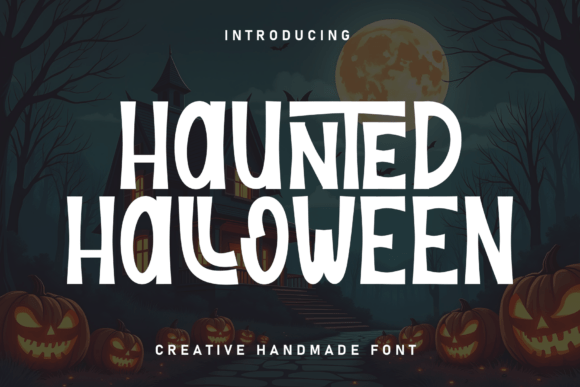
I was staring at a blank Figma canvas, trying to decide how to give my client’s boutique coaching website a personality that felt approachable yet professional. The brief asked for "charm and friendliness," but most of the trendy display fonts I found were either too aggressive or too rigid. That’s when I pulled up Haunted Halloween, a unique handwritten display font that immediately caught my eye. It wasn’t spooky in the traditional sense; instead, it embodied a delightful whimsy that seemed perfect for adding a human touch to digital layouts. As a web designer, I’m always looking for typography that bridges the gap between editorial elegance and casual warmth, and this typeface offered exactly that balance.
Haunted Halloween for Wedding Invitations and Elegant Branding
When I first tested Haunted Halloween in a hero section, I expected it to work well for seasonal themes, but its versatility quickly became apparent. The product description notes that this delightful piece of typography is wonderfully suited for adding a whimsical, fun element to your wedding invitations, and I saw why. In a digital context, using this font for a landing page header gave the site an immediate sense of celebration and intimacy. Unlike standard serif fonts that can feel cold on screens, the handwritten style of Haunted Halloween creates an emotional connection with the visitor right away. For brands selling premium experiences—whether it’s event planning, artisanal goods, or creative services—this display font serves as a powerful visual hook that signals quality and care without shouting for attention.
Setting the Mood with Whimsical Typography
The charm of Haunted Halloween lies in its organic strokes. When placed over a soft, muted background or paired with high-quality photography, it enhances the overall aesthetic rather than competing with it. I used it for subheadings on a portfolio homepage, where it broke up the monotony of grid-based layouts. The font’s slight irregularity mimics natural handwriting, which helps reduce the "corporate" feel often associated with template websites. This is crucial for modern web design, where authenticity drives engagement. By integrating this handwritten font into the visual hierarchy, I was able to guide the user’s eye through the content more naturally, making the reading experience feel less like scanning data and more like having a conversation.
Haunted Halloween for Boutique Online Store Headers
For e-commerce clients, the challenge is often maintaining brand identity while ensuring clear navigation. I applied Haunted Halloween to the banner of a small business website selling handmade ceramics. The goal was to make the store feel curated and personal. Using this display font for the main logo text and category headers added a layer of sophistication that resonated with the target audience. However, I had to be careful with placement. Because it is a decorative typeface, it works best for short phrases rather than long paragraphs. I kept the body copy in a clean sans serif font to ensure readability, allowing Haunted Halloween to shine as the accent that defines the brand’s character. This combination of a friendly handwritten font with structured layout elements created a polished online brand experience that felt both trustworthy and inviting.
Enhancing Visual Hierarchy on Landing Pages
In digital marketing, visual hierarchy dictates how users process information. I experimented with using Haunted Halloween for call-to-action (CTA) buttons and promotional banners. While it might seem risky to use a script-like font on interactive elements, the legibility held up surprisingly well when sized appropriately. The font’s inherent friendliness lowered the psychological barrier for clicks, making the action feel less transactional and more like an invitation. For campaign landing pages, this subtle shift in tone can improve user engagement metrics. The key was to use it sparingly—as a headline or a tagline—while relying on simpler fonts for instructions and details. This approach ensures that the whimsical nature of the font enhances the design without compromising usability.
Haunted Halloween for Course Sales Pages and Digital Products
As a creator of digital products, I understand the importance of standing out in a crowded marketplace. I tested Haunted Halloween on a course sales page designed for a creative entrepreneur. The niche required a blend of authority and creativity, and this font delivered on both fronts. Its unique character helped differentiate the page from competitors who relied on generic corporate templates. When used for section titles like "What You’ll Learn" or "Meet Your Instructor," the font added a personal touch that made the content feel accessible. This is particularly effective for bloggers and marketers who want to build a loyal community. The font’s ability to convey personality helps establish trust, which is essential for converting visitors into students or subscribers. By treating the typography as a core part of the brand identity, the page felt cohesive and professionally designed.
Readability Considerations for Mobile Screens
Responsive design is non-negotiable, so I closely monitored how Haunted Halloween performed on smaller devices. On mobile screens, the intricate details of the handwritten style can sometimes get lost if the font size is too small. I adjusted the tracking (letter-spacing) slightly to improve clarity, ensuring that each character remained distinct. For dark backgrounds, I opted for a lighter weight or a contrasting color to prevent the text from feeling heavy. Conversely, on light backgrounds, the font’s natural flow complemented the white space beautifully. These adjustments are critical for fast-loading visual content and smooth user experiences. When testing the font in various viewport sizes, I found that keeping headlines concise allowed the typeface to maintain its impact without sacrificing accessibility standards.
Font Pairing Strategies for Modern Web Design
One of the biggest challenges in web design is balancing decorative elements with functional text. I paired Haunted Halloween with a simple, geometric sans serif font for body copy. This classic combination allows the display font to take center stage while the supporting typography handles the heavy lifting of information delivery. For projects requiring a more editorial feel, I also tried pairing it with a modern serif font, which created a sophisticated, magazine-like aesthetic. This versatility makes Haunted Halloween a valuable asset in any designer’s toolkit. Whether you are building a creative portfolio, a coaching website, or a digital brand kit, the right font pair can elevate the entire project. The key is to let the handwritten font provide the voice, while the neutral font provides the structure.
Technical Checks Before Implementation
Before finalizing any project, I always verify the technical specifications of the fonts I choose. For Haunted Halloween, checking the included styles and file formats was essential to ensure compatibility across different browsers and devices. I looked for webfont availability in formats like WOFF2 to optimize load times. Additionally, verifying commercial font licensing is crucial for client projects to avoid legal issues. If multilingual support is needed, I check for alternate glyphs and character sets. Taking these steps ensures that the whimsical charm of the font translates seamlessly into a robust digital environment. By paying attention to these details, designers can deliver high-quality, reliable websites that honor the artistic intent of the typeface while meeting the practical demands of the web.