Romeo Ryder: The Modern Display Typeface for Digital Design
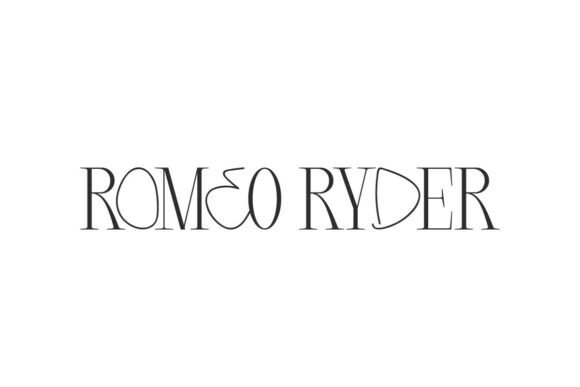
Romeo Ryder is a modern double-style typeface that brings a unique twist to slab serifs, making it sleek and simple for digital environments. As a web designer focused on conversion-focused layouts, I have found that this elegant and artistic display serif font masterfully blends character with the clean lines required for high-performance websites. Unlike standard fonts that often blend into the background, Romeo Ryder commands attention in hero sections and landing pages while maintaining the professional polish needed for SaaS founders and creative entrepreneurs.
This font is not just another decorative element; it is a strategic tool for establishing visual hierarchy and brand tone across app screens, online stores, and content sections. By integrating Romeo Ryder into your design system, you create a consistent online identity that feels both established and contemporary. Whether you are building a boutique e-commerce site or a personal portfolio, the distinct personality of these Fonts ensures your message resonates immediately with visitors.
Romeo Ryder Elevates Hero Sections and Landing Page Headers
The primary strength of Romeo Ryder lies in its ability to dominate large spaces without sacrificing readability, making it ideal for website headers and hero sections. When a user lands on your page, they scan quickly for cues about your brand's value proposition, and a sleek display serif like Romeo Ryder provides an immediate sense of sophistication. In my experience designing digital products, using this font for main headlines creates a strong focal point that guides the eye naturally toward your call-to-action areas.
The unique twist inspired by slab serifs gives the text a sturdy, grounded feel, yet the simple execution keeps it from appearing dated or overly heavy. This balance is crucial for modern typography where space is at a premium. For example, on a product landing page, setting the headline in Romeo Ryder allows you to use larger font sizes effectively, creating a dramatic impact that increases dwell time. The font's artistic nature adds a layer of trust and professionalism, suggesting that the brand behind the text pays attention to detail. When paired correctly, it transforms a generic layout into a branded web experience that feels custom-made.
Optimizing Visual Hierarchy with Display Fonts
Visual hierarchy is the backbone of any successful UI design, and Romeo Ryder serves as an excellent anchor for guiding user scanning behavior. Because this font has such a distinct character, it naturally separates section headings from body copy, preventing the page from feeling monotonous. When used for short phrases or subheadings within content sections, it breaks up dense text blocks and encourages users to read further. The contrast between the bold, artistic strokes of Romeo Ryder and simpler supporting typography creates a rhythm that keeps the interface engaging.
I often recommend using this font for logo text or decorative accents where a single word needs to carry significant weight. The elegance of the typeface elevates the perceived value of the product or service being offered. In a digital ad or banner, the high-contrast nature of the letters ensures legibility even at smaller scales, provided the spacing is managed well. This makes it a versatile choice for marketing campaigns where capturing attention in a split second is critical.
Romeo Ryder Enhances Online Store Banners and E-Commerce Identity
For online store owners, the visual presentation of products is directly linked to sales, and Romeo Ryder offers a sophisticated aesthetic that complements luxury or lifestyle brands. When applied to shop banners and category headers, this display font infuses the shopping experience with a sense of curated quality. The sleek simplicity of the design ensures that the focus remains on the products while the typography frames them elegantly. Unlike noisy script fonts that can be difficult to read on mobile devices, Romeo Ryder maintains clarity, which is essential for reducing friction in the checkout process.
In the context of digital branding, consistency is key to building recognition. Using Romeo Ryder across all touchpoints—from email newsletters to social media graphics—creates a cohesive brand identity. The font's ability to blend modern sensibilities with classic serif structures allows it to fit seamlessly into various industry niches, from fashion boutiques to artisanal food stores. It signals to the customer that the brand values aesthetics and craftsmanship, traits that are highly desirable in competitive marketplaces.
Mobile Readability and Responsive Layout Considerations
While display fonts are often reserved for desktop designs, Romeo Ryder performs surprisingly well on mobile screens when used with intention. Web designers must ensure that the font size is adjusted appropriately for smaller viewports to maintain legibility. On mobile devices, the font works best for titles and short captions rather than long paragraphs. The clean lines prevent blurring on high-resolution screens, ensuring that the crispness of the design translates across all devices.
When implementing Romeo Ryder in responsive layouts, pay close attention to line height and letter spacing. The double-style nature of the typeface means that tight tracking can make the letters appear crowded, especially on small buttons or navigation menus. However, generous spacing highlights the unique curves and angles, enhancing the overall visual appeal. For dark backgrounds, the font's stroke width provides enough contrast to stand out clearly, while on light backgrounds, it offers a refined, editorial look. Testing the font across different screen sizes is essential to ensure that the visual hierarchy holds up regardless of the device.
Strategic Font Pairing for Editorial and Commercial Websites
To maximize the impact of Romeo Ryder, pairing it with a neutral sans-serif font for body copy is often the most effective strategy. This combination leverages the artistic flair of the display font for headlines while relying on the high readability of a sans-serif for detailed information. The contrast between the two styles creates a dynamic tension that keeps the user engaged without overwhelming them. For instance, using a geometric sans-serif alongside Romeo Ryder can create a very modern, tech-forward aesthetic suitable for SaaS founders and startups.
Alternatively, pairing it with a classic serif font can yield an editorial design feel, perfect for blogs, magazines, or creative portfolios. This approach emphasizes the "artistic" aspect of Romeo Ryder, positioning the content as high-quality and thoughtfully curated. When selecting a partner font, ensure that the x-height and weight complement the display font so that the page does not feel disjointed. The goal is to create a harmonious typographic system where each font plays a specific role in communicating the brand message.
Licensing and Integration for Client Projects
Before deploying Romeo Ryder in client projects or commercial ventures, it is vital to review the licensing terms carefully. Most premium fonts require specific licenses for web usage, including embedding in HTML files or serving via CDNs. Understanding the scope of the license ensures compliance when using the font in digital templates, brand assets, or online stores. For agencies managing multiple websites, securing a broad license can streamline the workflow and reduce legal risks.
Additionally, checking the included file formats and multilingual support is crucial for international projects. A comprehensive font family often includes various weights and styles that allow for greater flexibility in design. Having access to alternate characters and ligatures can add subtle touches of refinement that elevate the overall design quality. By investing in a high-quality font like Romeo Ryder, designers secure a reliable asset that supports their vision for years to come.