Killer: The Smart Display Font for Modern Branding
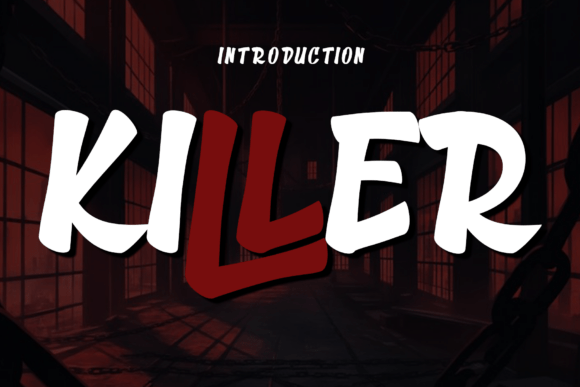
I remember staring at a blank brand board late on a Tuesday, trying to find the right voice for a boutique skincare line that needed to feel both premium and approachable. Most display fonts in my library felt either too aggressive or too stiff, lacking that specific softness required for a product meant to soothe the skin. That was when I pulled Killer from my collection. This smart and minimal sans-serif display font with rounded corners and unique letterforms immediately changed the trajectory of the project, giving it a soft yet striking appearance that perfectly matched the client's vision.
Unlike generic typefaces that blend into the background, Killer demands attention while remaining incredibly friendly. It is not just another set of letters; it is a strategic design asset that bridges the gap between modern minimalism and tactile warmth. Whether you are designing a logo for a local bakery or creating social media content for a creative studio, this font offers a distinct personality that elevates any visual identity.
Killer as a Logo Design Solution for Unique Brand Identities
When testing Killer as a primary logo font, its unique letterforms provide an immediate sense of character without overwhelming the viewer. In a recent branding exercise for a handmade shop, I used Killer to construct the main logotype, and the rounded corners softened the edges of the business name, making it feel inviting rather than corporate. The minimal nature of the design ensures that the logo remains legible even at small sizes, such as on a favicon or a social media profile picture, which is often a struggle for more decorative display fonts.
The strength of Killer lies in its ability to act as a standalone hero. Because the letterforms are so distinctive, they do not require heavy embellishment to stand out. For businesses looking to establish a strong visual hierarchy, using Killer as the headline font creates an instant connection with the audience. It works exceptionally well for brands that want to appear professional yet accessible, avoiding the coldness often associated with standard sans serif fonts. When paired correctly, Killer transforms a simple text-based logo into a memorable brand mark.
Why Killer Works Better Than Standard Fonts for Logos
- Memorability: The unique shapes make the brand name easier to recall.
- Versatility: It scales effectively from large signage down to small packaging labels.
- Tone: It strikes a perfect balance between "cool" and "friendly."
Killer for Social Media Content and Digital Marketing Assets
Social media graphics require typography that stops the scroll, and Killer delivers exactly that kind of impact. I recently applied this font to a series of Instagram posts for a lifestyle blogger, and the contrast between the bold display style and the clean background created a sophisticated feed aesthetic. The rounded corners prevent the text from feeling harsh against mobile screens, ensuring that the message is received with a positive emotional response.
In the world of digital marketing, where attention spans are short, Killer acts as a powerful hook. Its soft yet striking appearance makes headlines pop without requiring excessive color or graphic elements. For creators who need to produce high volumes of content, having a font that looks polished out of the box is invaluable. It simplifies the design process, allowing marketers to focus on the copy and the imagery while trusting the typography to carry the weight of the brand voice.
Furthermore, Killer is excellent for creating cohesive brand boards. By using the same font across website headers, email newsletters, and digital flyers, designers can ensure a unified look that reinforces brand recognition. The font's adaptability means it fits seamlessly into modern web design layouts, whether it is used for a full-width hero section or a subtle call-to-action button.
Killer in Packaging Design and Product Labeling
Packaging design is where typography truly meets reality, and Killer shines when printed on physical materials. During a mockup session for a craft coffee brand, I tested Killer on various textures, from matte kraft paper to glossy labels. The font maintained its clarity and charm, proving that its minimal design translates beautifully from screen to print. The rounded corners add a tactile quality to the design, suggesting a product that is crafted with care.
For small business owners and entrepreneurs, killer is a cost-effective way to achieve a high-end look. Instead of hiring a custom lettering artist, designers can use this font to create a bespoke feel that rivals custom work. It is particularly effective for product names, taglines, and ingredient lists where readability is key but style cannot be compromised. The font's structure allows for tight kerning, which is essential for fitting information onto compact packaging without sacrificing elegance.
Best Practices for Using Killer on Physical Products
- Test Print Sizes: Always check how the font looks at 1-inch height before finalizing artwork.
- Material Considerations: Ensure the font contrasts well with the texture of your packaging material.
- Licensing Check: Verify commercial licensing covers physical goods if selling branded merchandise.
Killer Paired with Serif and Script Fonts for Editorial Design
No single font can do everything, and understanding where Killer fits within a broader typography system is crucial for advanced projects. While Killer excels as a display font for headlines and logos, it pairs beautifully with a classic serif font for body text. In an editorial layout for a magazine feature, I combined Killer for the drop caps and section headers with a traditional serif for the long-form content. The result was a dynamic rhythm that kept the reader engaged.
For projects requiring a touch of elegance, pairing Killer with a script font can create a stunning contrast. The geometric precision of Killer grounds the flowing lines of a handwritten font, preventing the design from becoming too chaotic. This combination is ideal for wedding invitations, event programs, or luxury product catalogs where a mix of modern and classic styles is desired. However, it is important to note that Killer should generally not be used for long blocks of text; its unique letterforms are designed to be read quickly and memorably, not scanned paragraph by paragraph.
Final Recommendations for Designers Buying Killer Fonts
If you are a designer looking to expand your toolkit with a versatile display font, Killer is a worthy investment. Its smart construction and minimal aesthetic make it suitable for a wide range of industries, from tech startups to artisanal food brands. Before integrating it into a final client project, I recommend downloading the test files and applying them to real-world scenarios like business cards, website headers, and social media templates.
Remember to review the included styles and alternates to maximize the font's potential. Check the file formats to ensure compatibility with your preferred design software, and always verify the commercial license terms, especially if you plan to use the font in merchandise, digital products, or client deliverables. By understanding its strengths and limitations, you can leverage Killer to create branding that feels fresh, professional, and undeniably striking.