Magic Land Typeface: Whimsical Display Fonts for Fairy Tale Branding
I opened a blank Figma file at 2 PM, staring down a client brief that was equal parts exciting and terrifying. The project was for a new artisanal skincare line targeting young mothers who wanted something less clinical and more story-driven. They didn’t want "clean minimalist"; they wanted "enchanted forest." They needed a typeface that felt like a fairy tale but still functioned in a modern digital ecosystem. That is when I pulled Magic Land off my local font library.
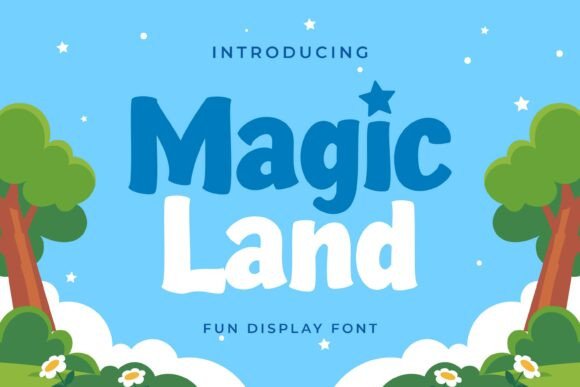
This isn’t just another decorative script or a rigid serif. Magic Land – A whimsical and adventurous display font that feels straight out of a fairy tale is exactly what the name suggests: it has character, bounce, and an immediate narrative pull. As a graphic designer testing this for a real branding project, I found that using it correctly requires a balance between its playful nature and professional readability. Here is how I integrated this creative font into a cohesive brand identity from logo mockup to final packaging design.
Magic Land as a Headline Font for Boutique Skincare Packaging
The first step in any branding project is establishing visual hierarchy, and Magic Land excels as a headline font where impact matters most. When I placed the font on a mockup of a small glass jar label, the cheerful and bouncy display font designed for kids and magical themes immediately grabbed attention. However, because our target audience included adults, I had to be careful not to let the whimsy overpower the product’s premium feel.
In typography, weight and scale are your best friends. I used Magic Land for the primary brand name, setting it large and centered. The playful proportions of the letters created a sense of movement, almost as if the text itself was floating. This worked beautifully for the front of the packaging. For the secondary information—ingredients, volume, usage instructions—I paired it with a clean, neutral sans serif font. This contrast ensured that while the brand name screamed "magic," the fine print remained legible and trustworthy. If you are considering this font for packaging design, remember that display fonts work best when they are given space to breathe. Crowding them with too much surrounding text dilutes their personality.
Magic Land for Social Media Graphics and Digital Templates
Once the static assets were approved, we moved to social media graphics. Modern marketing relies heavily on scroll-stopping visuals, and having a distinctive typeface can make all the difference. I tested Magic Land on Instagram post templates, specifically for quote cards and promotional banners. The font’s inherent cheerfulness made static images feel dynamic without needing excessive graphical overlays.
One practical tip I learned during this phase: always check how the font renders on smaller screens. While Magic Land looks stunning on a high-resolution desktop monitor, some of its finer whimsical details can get lost on mobile devices. To solve this, I kept the font size generous on digital assets. For smaller captions, I reverted to the supporting sans serif. This approach maintains brand consistency while respecting user experience. When designing for platforms like Pinterest or Instagram, using a creative font like Magic Land for short-form text or headers helps establish instant recognition. It signals to the viewer that the content is fun, approachable, and carefully curated.
Magic Land in Logo Design and Brand Identity Systems
Can a whimsical display font be used for a logo? Absolutely, provided you understand its limitations. In my project, the client loved the idea of a hand-drawn, storybook aesthetic for their logo mark. We explored using Magic Land as the core element of the logotype. Because it is a display font, it carries strong emotional cues right away. It tells the consumer that this brand is not about cold efficiency; it is about warmth, imagination, and care.
However, relying solely on a single style for a full brand system is risky. A robust brand identity needs versatility. I recommended using Magic Land as the primary accent font for headlines and key messaging, while pairing it with a more stable typeface for body copy. This combination allows the brand to maintain its magical theme across various touchpoints—from website headers to printed business cards—without becoming exhausting to read. When you build a brand around a font like Magic Land, you are building around a specific mood. Ensure every other design decision supports that mood rather than fighting against it.
Magic Land for Editorial Design and Storytelling Content
Beyond product packaging and logos, I also tested Magic Land in editorial contexts, such as blog headers and lookbooks. The font’s adventurous spirit translates well to long-form content introductions. When writing copy that needs to evoke a sense of wonder or nostalgia, placing a header in Magic Land sets the tone before the reader even processes the words.
I found that the font works particularly well in layouts that use plenty of white space. The negative space around the letters enhances their bouncy quality, making them pop off the page. Whether you are designing a PDF guide, a zine, or a digital newsletter, incorporating a fun display font can break up monotony. Just remember that these fonts are meant for emphasis. Using them for paragraphs of text will fatigue the reader’s eye. Reserve Magic Land for titles, pull quotes, and section dividers to maximize its impact.
Practical Tips for Testing and Licensing Creative Fonts
Before committing to Magic Land for a full commercial project, I always advise designers to create a mini brand board. Print out samples of the font on different materials. Does it look good on glossy paper? What about matte cardstock? How does it hold up when printed in black ink versus color? These physical tests reveal nuances that digital screens often hide.
Additionally, always review the technical specifications of the font files. Check for included styles, alternates, ligatures, and multilingual support. For a brand that might expand internationally, ensuring the font supports necessary character sets is crucial. Also, verify the commercial font licensing terms. Since Magic Land is intended for commercial use, understanding the scope of the license protects both you and your client from legal issues later on. Investing time in these checks upfront saves headaches during production.
Ultimately, choosing the right typeface is about solving a communication problem. Magic Land solved ours by injecting life into a skincare brand that needed to stand out in a crowded market. Its whimsical and adventurous display font characteristics allowed us to tell a story visually, creating an emotional connection with the audience. If you are looking for a font that brings energy, charm, and a touch of magic to your next branding project, giving Magic Land a serious test run is worth the effort. It transforms standard design assets into memorable experiences.