Little Comic: A Charming Display Font for Editorial Design
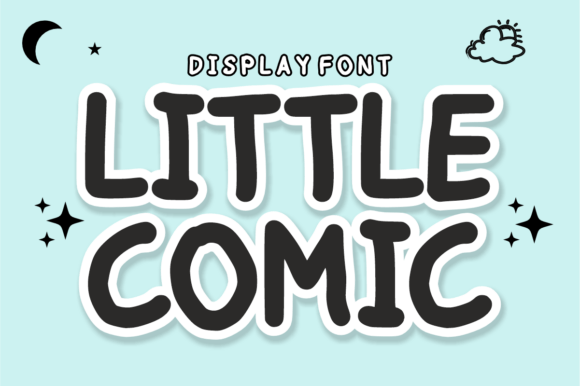
I remember the exact moment I needed a new typeface for my latest lifestyle newsletter. The content was solid, filled with recipes and personal stories, but the header felt flat and corporate. It lacked the warmth that defines our community. That is when I decided to test Little Comic, a charming Display Fonts collection designed to capture the classic, easygoing style of hand-drawn comic book lettering. Bringing your designs to life with this font felt like finding the missing piece of a puzzle that had been sitting on my desk for weeks.
The transition from a sterile sans serif to something with genuine personality changed the entire mood of the publication. This review explores how Little Comic functions not just as a decorative element, but as a strategic tool for editorial identity, readability, and brand consistency across various digital and print formats.
How Little Comic Elevates Newsletter Headers and Blog Titles
When you are designing a newsletter or a blog post, the headline is the first thing a reader encounters, and Little Comic excels at grabbing attention without sacrificing clarity. Unlike rigid geometric fonts, this display typeface brings a rhythmic, organic quality that feels approachable and human. In my recent project redesigning a weekly digest for creatives, I swapped out the standard bold headers for Little Comic. The result was an immediate shift in tone; the content felt less like a formal announcement and more like a friendly conversation between friends.
This font works exceptionally well for blog headers because it strikes a balance between fun and professional. The letterforms have enough weight to stand out against complex backgrounds, yet the hand-drawn quirks prevent them from feeling aggressive. For a lifestyle brand or a creator looking to establish a distinct voice, using Little Comic for titles creates an instant connection with the audience. It signals that the content inside is relaxed, authentic, and ready to be enjoyed rather than analyzed. When paired with a clean body font, the hierarchy becomes clear: the title invites, and the text informs.
Why Hand-Drawn Lettering Works for Modern Branding
In an era where digital design often leans heavily towards minimalism and cold precision, Little Comic offers a refreshing alternative. The "fun, bold simplicity" mentioned in its description is key to its effectiveness. It captures the spirit of vintage comics while remaining legible on modern screens. Whether you are creating a cover for a digital magazine or a graphic for social media, this font adds a layer of texture that stock photography or flat illustrations cannot replicate. It transforms a standard layout into a curated experience, proving that Display Fonts can still be versatile tools for serious content creators.
Using Little Comic for Printable Planners and Course Workbooks
Beyond web design, I found Little Comic to be incredibly effective for physical products like printable planners, coaching workbooks, and educational PDFs. When I tested the font in a workbook layout for an online course, the headings took on a playful energy that reduced the perceived difficulty of the material. Students often feel intimidated by dense textbooks, but a layout featuring Little Comic for section breaks and chapter openers feels inviting and encouraging.
The font's structure supports visual hierarchy beautifully. Because the characters are distinct and slightly irregular, they naturally draw the eye to important information. I used it for pull quotes and key takeaways within the document, ensuring that even skimming readers would notice the most valuable insights. However, it is crucial to understand where this font fits best. While it is perfect for worksheet layouts and ebook titles, it should generally be avoided for long-form body copy. The expressive nature of the letters can become tiring to read over hundreds of words.
- Ideal Uses: Cover pages, chapter titles, bullet points, call-to-action buttons, and decorative accents.
- Less Suitable For: Dense paragraphs, small captions, legal disclaimers, or technical manuals requiring strict neutrality.
Pairing Little Comic for Balanced Editorial Layouts
A successful editorial design relies on the harmony between different typefaces, and Little Comic requires a thoughtful partner to maintain readability. Since this is a display font with a strong personality, it needs a neutral companion to ground the design. In my experiments, pairing Little Comic with a classic serif font for body text created a sophisticated yet whimsical look that worked perfectly for recipe ebooks and wedding guides.
The contrast between the structured, readable lines of a serif typeface and the loose, energetic strokes of Little Comic creates a dynamic tension that keeps the reader engaged. For a more modern, minimalist aesthetic, a clean sans serif font serves as an excellent counterpoint, allowing the display font to shine as the primary character of the page. When selecting these pairings, consider the medium. For mobile layouts, ensure the body text remains large and legible, letting Little Comic handle the emotional impact of the headlines. This strategy ensures that your publication identity remains consistent whether viewed on a phone screen or printed on high-quality paper.
Technical Considerations for Commercial Projects
Before integrating Little Comic into client publications or commercial templates, it is wise to verify the specific file formats and licensing terms. High-quality Fonts collections often include alternate characters, ligatures, and multilingual support that can elevate a design from good to great. These features allow for greater customization, such as creating unique logo designs or adjusting spacing for better kerning in tight layouts. Checking for included styles ensures you have the flexibility to adapt the font to different branding needs without compromising the visual integrity of the project.
Ultimately, bringing your designs to life with Little Comic is about choosing a typeface that resonates with your audience's desire for authenticity. It is a tool that bridges the gap between professional typography and the joy of creation. By understanding its strengths in headlines and decorative roles, and respecting its limitations in body text, designers can leverage this charming display font to build publications that are not only visually striking but also deeply engaging. Whether you are launching a new digital magazine, updating a blog, or creating a premium ebook, Little Comic offers the bold simplicity needed to make your content memorable.