Happy Kindergarten Display Font for Playful Web Design
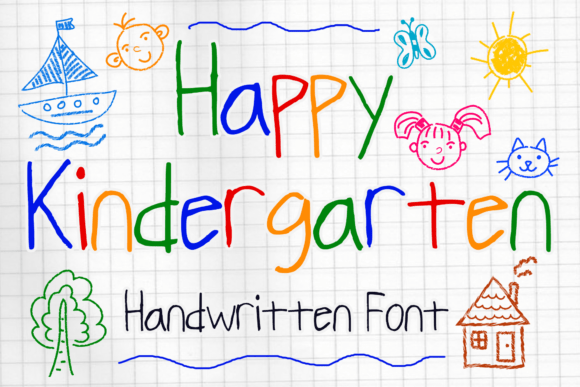
When you need to Brighten up your projects with Happy Kindergarten, an effortlessly playful handwritten font, the first step is understanding how its unique visual rhythm translates to digital interfaces. Its unique style lends a joyful, childlike appeal to any design venture, propelling them to stratospheric heights of engagement when used correctly in modern web layouts. As a UI designer, I have found that selecting the right Display typeface can make or break the emotional connection between a brand and its users, especially in niches that rely on warmth, trust, and approachability.
Why Happy Kindergarten Elevates Landing Page Hero Sections
The primary strength of Happy Kindergarten lies in its ability to command attention without shouting. In the context of Fonts designed for high-impact areas, this typeface excels as a hero headline element. When paired with ample white space, the irregular baseline and organic curves of the letters create a sense of movement and energy that static geometric fonts often lack. For digital product creators, using Happy Kindergarten in the main headline of a landing page immediately signals a friendly, accessible brand tone. It reduces the cognitive load for visitors who might otherwise feel intimidated by overly corporate or sterile design aesthetics. By integrating this playful character into your top-of-funnel content, you invite users to stay longer, exploring your offerings with a mindset of curiosity rather than scrutiny.
Optimizing Visual Hierarchy with Handwritten Accent Fonts
In complex web layouts, establishing clear visual hierarchy is paramount. Happy Kindergarten serves as an excellent tool for breaking monotony in long-form content sections. While it should not be used for body copy due to legibility constraints at small sizes, it shines when applied to subheadings, pull quotes, or call-out boxes. A strategic approach involves pairing Happy Kindergarten with a clean, neutral sans-serif font for paragraphs. This contrast ensures that while the eye is drawn to the whimsical headings, the reading experience remains smooth and professional. For online store owners, this combination works wonders in product description sections where you want to highlight key features or limited-time offers. The handwritten nature of the font adds a human touch, suggesting that real people are behind the brand, which subtly boosts consumer confidence and conversion rates.
Enhancing Brand Identity for Creative Portfolios and Blogs
For creative entrepreneurs and bloggers, consistency in brand identity is crucial across all digital touchpoints. Happy Kindergarten provides a distinctive signature that can unify various elements of a website, from navigation menus to footer graphics. When used sparingly, it reinforces a brand personality that values creativity, fun, and individuality. Consider a coaching website or a personal portfolio; here, the font can be used in the "About Me" section to introduce the creator’s voice. The informal style helps bridge the gap between professional expertise and personal approachability. Furthermore, incorporating this font into social media graphics linked from your site creates a cohesive visual narrative. Users scrolling through Instagram or Pinterest will recognize the consistent typographic voice, reinforcing brand recall every time they encounter your content.
Using Happy Kindergarten for E-commerce Banners and Promotions
E-commerce sites thrive on urgency and excitement, two emotions that Happy Kindergarten naturally evokes. Use this font for promotional banners, sale announcements, or new arrival tags. The playful aesthetic aligns perfectly with industries such as children’s products, crafts, educational materials, or lifestyle brands targeting families. However, readability on mobile devices must be prioritized. Ensure that the text size is large enough to be legible on smaller screens and that there is sufficient contrast against the background image or color. Avoid placing thin strokes of the font over busy textures, as this can obscure the letterforms. Instead, use solid color blocks or blurred backgrounds to ensure the message pops. This strategic placement guides the user’s eye toward conversion points, such as "Add to Cart" buttons, without overwhelming the overall shopping experience.
Technical Considerations for Webfont Implementation
Before implementing Happy Kindergarten in your production environment, it is essential to verify the technical specifications included in the package. Most premium Fonts come in multiple file formats, such as .woff2 for optimal web performance and .otf or .ttf for desktop editing. Check if the font includes ligatures, alternates, or special characters that enhance its hand-drawn charm. These details can significantly elevate the quality of your design, allowing for more nuanced typography in logos or short phrases. Additionally, consider the weight options available. If only one weight is provided, you may need to use CSS transformations like skewing or bolding to create variation, though this should be done cautiously to avoid distortion. Ensuring proper licensing for web usage is also critical; commercial licenses typically cover unlimited domain views, but it is wise to confirm terms for client projects or digital template sales to avoid legal complications.
Pairing Strategies for Balanced Digital Readability
Selecting the right companion font is just as important as choosing the display typeface itself. Since Happy Kindergarten has strong personality traits, it pairs best with understated, highly readable typefaces. A geometric sans-serif like Montserrat or Lato works well for maintaining a modern, clean look, while a humanist sans-serif like Open Sans can add warmth that complements the handwritten style. For editorial designs or magazine-style blogs, pairing with a classic serif font can create a sophisticated yet approachable contrast. The key is to let Happy Kindergarten be the star while the supporting font handles the heavy lifting of information delivery. This balance ensures that your website remains accessible and easy to navigate, fulfilling both aesthetic desires and functional requirements.
Strategic Placement for Maximum User Engagement
To truly leverage the power of Happy Kindergarten, think about where it fits within your user journey. It is ideal for initial engagement moments—hero sections, welcome messages, and interactive elements like hover states on buttons. Avoid using it for critical navigational elements or legal disclaimers where clarity is non-negotiable. Instead, reserve it for areas where you want to inject emotion and personality. For example, use it in thank-you pages after a purchase, adding a layer of delight that encourages repeat business. By strategically deploying this Display font, you transform standard web interactions into memorable experiences. The goal is to create a digital environment that feels alive and inviting, encouraging users to explore deeper and engage more meaningfully with your brand’s story.
Final Integration Tips for Consistent Online Presence
Maintaining consistency requires discipline. Create a style guide that defines exactly how and where Happy Kindergarten can be used. Specify minimum font sizes, line heights, and color contrasts to ensure legibility across all devices. Document which elements should carry the font and which should remain in the secondary typeface. This framework prevents accidental overuse, which can quickly make a site look cluttered or unprofessional. Regularly audit your web assets to ensure the font renders correctly on different browsers and operating systems. With careful planning and execution, Happy Kindergarten becomes more than just a decorative element; it becomes a core component of your digital strategy, driving recognition, trust, and ultimately, conversions for your online ventures.