Decort: The Art Deco Display Font for Luxury Web Design
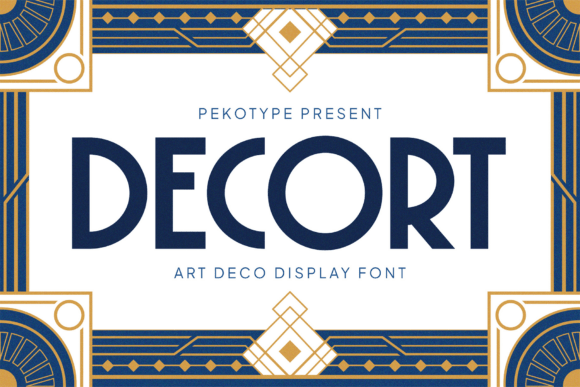
When you are building a high-end digital experience, the typography you choose sets the tone before a single word is read. Introducing Decort, a stunning Art Deco-inspired display font that radiates luxury, sophistication, and timeless elegance. For web designers and UI specialists, finding a typeface that bridges the gap between historical glamour and modern screen readability is often a challenge. Decort solves this by capturing the dazzling energy of the roaring 1920s while maintaining the structural integrity required for contemporary web layouts. This article explores how this specific Display Fonts asset can elevate your brand identity, improve visual hierarchy, and drive conversions through strategic typographic choices.
Decort for Hero Sections and Landing Page Headers
The hero section is the most critical real estate on any landing page, serving as the first impression for visitors. Using Decort here immediately communicates a premium brand value. Unlike generic sans-serif headers that blend into the background, an Art Deco-inspired display font commands attention with its geometric precision and decorative flair. When applied to large-scale headlines, Decort creates a strong visual anchor that guides the user’s eye downward toward your call-to-action (CTA) buttons.
For digital product creators, this means you can establish a luxurious aesthetic without relying heavily on complex imagery. The font’s inherent elegance allows it to stand alone against minimalist backgrounds or complement high-quality photography. However, because it is a display font, it should be reserved for short phrases—typically two to four words—to ensure legibility. Overloading a hero banner with body text in Decort will hinder scanning behavior and increase bounce rates. Instead, use it to frame your core value proposition, letting clean, readable sans-serif fonts handle the explanatory copy below.
Decort for E-commerce Banners and Product Highlights
In the competitive world of online retail, visual distinction is key to standing out. Online store owners often struggle to make their products feel exclusive or high-value. Integrating Decort into promotional banners, sale announcements, or featured product titles can instantly elevate the perceived worth of an item. The font’s sharp angles and elegant curves evoke the craftsmanship associated with luxury goods, making it ideal for fashion boutiques, jewelry brands, or premium tech accessories.
When designing for mobile devices, where screen space is limited, every pixel counts. Decort’s clear letterforms remain distinct even at smaller sizes when used as accent text. Consider using it for price tags, "New Arrival" badges, or limited-edition labels. This application leverages the font’s ability to create urgency and exclusivity. By pairing these bold headings with a simple, neutral body font, you maintain a clean layout that prioritizes the product image while adding a touch of editorial sophistication. This balance ensures that the shopping experience remains intuitive, reducing friction in the conversion funnel.
Decort for Creative Portfolios and Agency Branding
Creative professionals need their websites to reflect their artistic sensibility. For UI designers, graphic artists, and creative agencies, using a unique typeface like Decort signals attention to detail and a deep understanding of design history. It moves away from the sterile, corporate look of standard web fonts and injects personality into your portfolio. Whether you are showcasing a case study for a rebrand or presenting a personal project, Decort adds a layer of narrative depth.
This font is particularly effective for section dividers, pull quotes, or author bylines within blog posts or case studies. It breaks up long blocks of text and adds rhythm to the reading experience. For example, using Decort for chapter titles in a digital book or course module can create a sense of structure and importance. The font’s versatility allows it to work well in both light and dark modes, provided you adjust the weight and contrast appropriately. In dark mode, lighter weights of Decort can appear striking and airy, while in light mode, heavier weights provide strong contrast against white backgrounds.
Font Pairing Strategies for Digital Readability
A common mistake in web design is overusing decorative fonts, which can lead to visual fatigue and poor accessibility. To maximize the impact of Decort, it must be paired with complementary typefaces that prioritize readability. Since Decort is a serif-based display font with strong geometric roots, it pairs exceptionally well with clean, humanist sans-serifs like Inter, Roboto, or Open Sans. These pairings create a harmonious contrast between the decorative header and the functional body copy.
For brands seeking a more traditional or editorial look, pairing Decort with a classic serif font like Georgia or Merriweather can enhance the vintage aesthetic. This combination works beautifully for lifestyle blogs, magazine-style layouts, or heritage brand websites. The key is to maintain a clear hierarchy: let Decort dominate the largest sizes (H1, H2), while the supporting font handles paragraphs, captions, and navigation menus. This strategy ensures that users can scan content quickly without being distracted by overly ornate text. Additionally, consider the x-height and line spacing; generous leading helps prevent the decorative elements of Decort from clashing with adjacent lines of text.
Technical Considerations for Web Implementation
Before integrating Decort into your projects, it is essential to verify the technical specifications included in the font package. High-quality Display Fonts typically come in multiple weights and styles, allowing for greater flexibility in your design system. Check if the font includes webfont formats such as WOFF2, which offer optimal compression and loading speeds for browsers. Slow-loading fonts can negatively impact SEO rankings and user experience, so ensuring fast delivery is crucial.
Furthermore, assess the character set for multilingual support if your audience is global. While Decort captures a specific 1920s vibe, it should still support the necessary diacritics and special characters for international clients. If you are licensing this font for commercial use, remember that webfont licenses differ from desktop licenses. Ensure your agreement covers embedding the font in HTML/CSS files, using it in email newsletters, and applying it to client deliverables. Proper licensing protects your business and respects the creator’s intellectual property, fostering a sustainable professional relationship.
Enhancing Brand Identity with Timeless Typography
In an era where trends shift rapidly, choosing a font with timeless appeal is a smart investment for long-term brand consistency. Decort offers a sophisticated alternative to fleeting typographic fads, providing a stable foundation for your visual identity. Whether you are launching a new SaaS platform, redesigning a coaching website, or creating social media graphics, Decort adds a layer of polish that resonates with audiences seeking quality and refinement.
By strategically placing Decort in headers, accents, and branding materials, you create a cohesive narrative that connects with your target market. The font’s ability to convey luxury and elegance makes it a powerful tool for differentiation. As you build your digital assets, remember that typography is not just about filling space—it is about communicating emotion and guiding behavior. With Decort, you have a versatile, high-impact resource that supports both aesthetic beauty and functional design goals, helping you create web experiences that are as memorable as they are effective.